
Segera CBO Food Donation Campaign
What
- Emergency food distribution to elderly and vulnerable households.
- Nutrition support during drought and famine.
- Community outreach and mobilization for food security.
Who
Segera Community Based Organization (Segera CBO), with support from donors, local leaders, and volunteers.
Where
Segera, Ngobit Ward, Laikipia County, Kenya.
Targeting households most affected by prolonged drought and famine conditions.
Campaign Overview
When drought and famine struck parts of Segera, Segera CBO launched an emergency food donation campaign to ensure the elderly and most vulnerable households did not go hungry. The campaign combined community outreach, central food drives and door-to-door delivery so aid reached those who needed it most. Beyond immediate relief, the campaign strengthened community solidarity and paved the way for longer-term food security measures.
Capacity
- Over 1,200 meals provided during the campaign.
- Dozens of households received dry food supplies (maize, beans, cooking oil, porridge flour).
- Special focus on elderly, widows, and child-headed households.
Distribution approach
- Food drives held at central community collection points.
- Door-to-door distribution for bedridden and mobility-challenged elders.
- Community volunteers mobilized for identification and delivery.
Project Cost
- Hot meals (Ksh 150 per meal × 1,200 meals): Ksh 180,000
- Household food kits (Ksh 3,000 per kit × 150 kits): Ksh 450,000
- Logistics & transport (fuel, vehicle hire): Ksh 50,000
- Volunteer / CHV stipends and minor allowances: Ksh 30,000
- IEC materials, packaging & contingency supplies: Ksh 10,000
- Subtotal: Ksh 720,000
- Contingency (10%): Ksh 72,000
- Total estimated campaign cost: Ksh 792,000
Supply coverage
The program covered the entire Segera village catchment area, with special focus on hard-to-reach households most affected by food insecurity.
Completion
- Campaign launched during peak drought (2023/2024 cycle) and continued in phases depending on donor contributions and food availability.
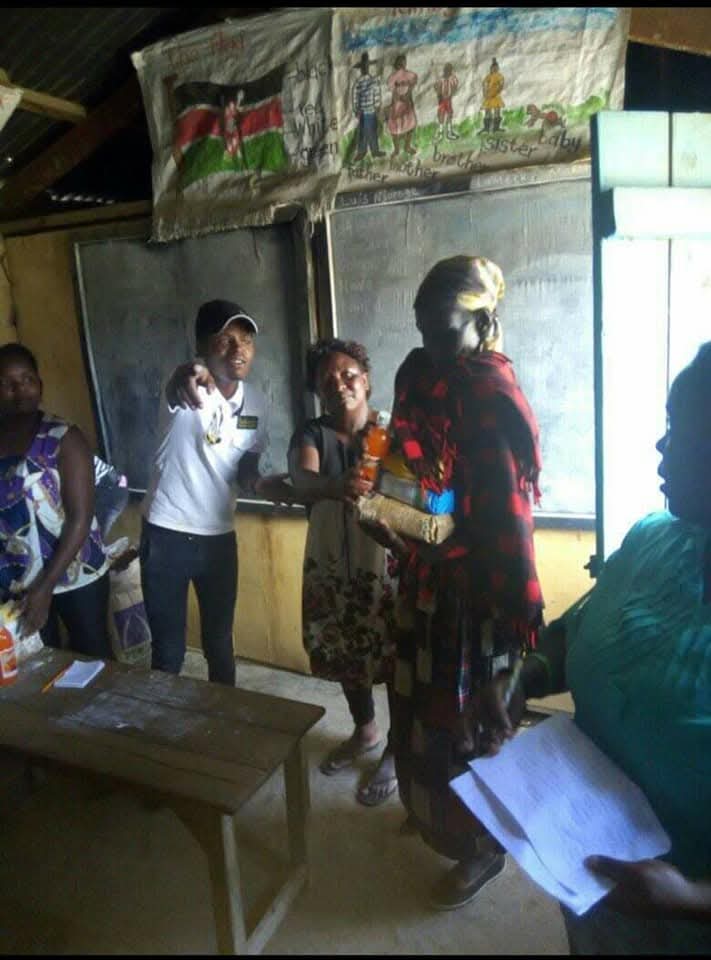
Impact of the campaign on the community
• Immediate relief: ensured the elderly and vulnerable did not go hungry during famine.
• Restored dignity: food distribution reduced suffering and dependency.
• Community unity: strengthened bonds as families, donors, and volunteers came together.
• Hope for tomorrow: meals provided more than food — they brought comfort, care, and the assurance of community solidarity.
"We had gone two days without food. This package brought life back to our home."