
January 2026 Capacity Building Training
Training Focus
- Borehole drilling & construction management
- Water supply system operation and maintenance
- Community engagement, governance & sustainability planning
- Environmental safeguards, compliance & monitoring (WRA / NEMA)
- Climate resilience and drought preparedness in community water systems
Target Participants
Segera Community Based Organization (Segera CBO) members, including:
- Community water committee members
- Youth and women representatives
- Local technicians and operators
- Project and community leaders
Training Venue
Segera Location, Ngobit Ward, Makandara Sub county, Laikipia County, Kenya. (Site coordinates and maps are included in the EIA annex).
Training Overview
The January 2026 Capacity Building Training is designed to strengthen local technical, managerial, and governance capacity for the sustainable management of community water infrastructure in Segera, Laikipia County.
Using the Segera Community Borehole as a practical learning case, the training equips participants with hands on knowledge in borehole construction oversight, water supply system setup, community ownership models, and long-term sustainability planning.
The program emphasizes local ownership, ensuring that community members are able to operate, maintain, monitor, and protect their water systems independently while complying with regulatory and environmental requirements.
Training Capacity
- Approximately 40–60 community participants trained
- Strengthens skills for managing water systems serving 500+ households and community institutions
- Builds a local pool of trained operators and governance leaders
System length
• Maximum drilling depth: up to 220 metres (hydrogeologist’s recommendation).
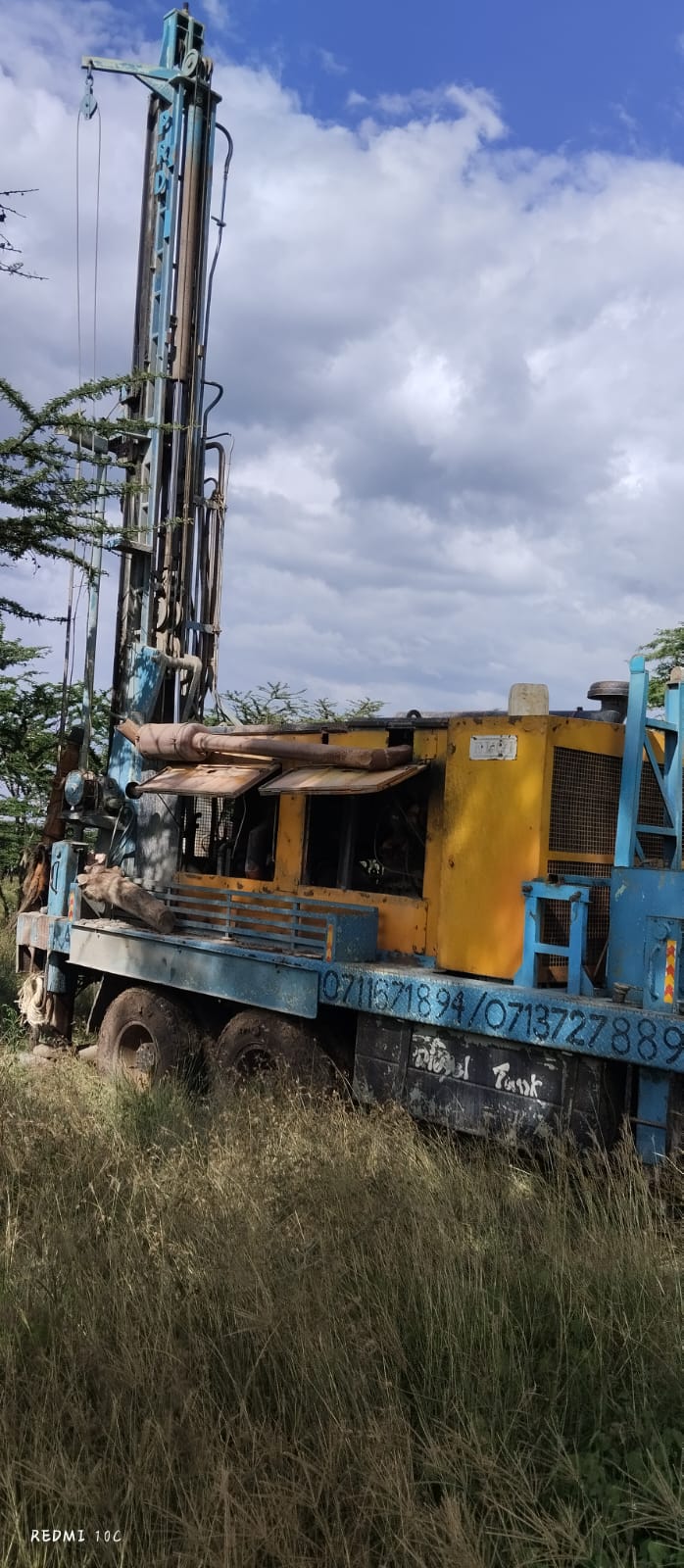
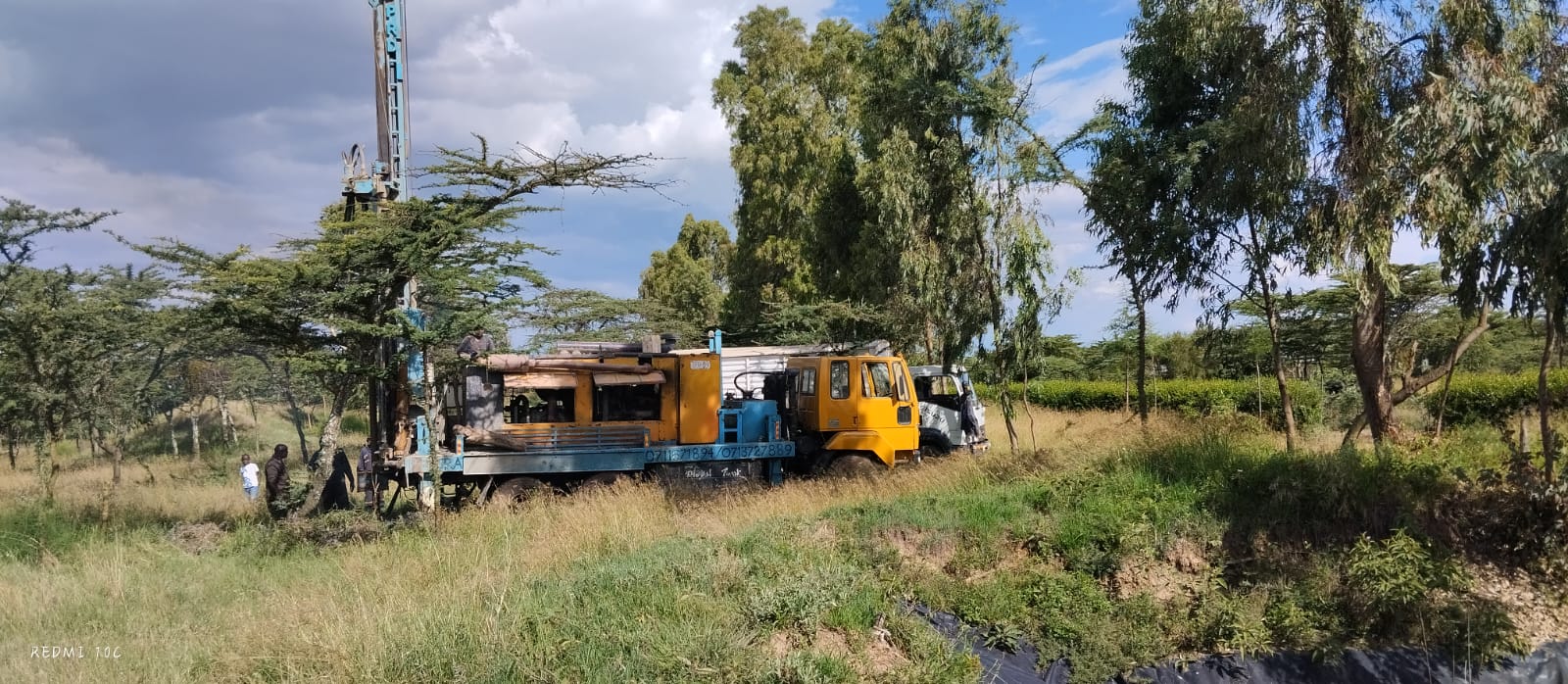
• Typical borehole construction: 8" diameter borehole to depth, with 6" steel casing and machine-cut screen, gravel pack and surface headworks; motorized pump and filtration for delivery.
Project Cost
Estimated total project cost: Ksh 6,200,000 (mobilization ~Ksh 80,000; drilling & works ~Ksh 5,400,000 figures per project budget).
Training Outcomes
- Improved local capacity to manage and maintain borehole water systems
- Reduced system downtime and dependency on external technicians
- Stronger community governance and accountability structures
- Enhanced protection of groundwater resources
- Increased resilience to drought and climate variability
Training Schedule
Duration: January 2026 (5–7 days)
Format:
- Classroom sessions
- Practical field demonstrations
- Group discussions and scenario-based learning
Expected Impact
- Sustainable water services: community-led operation and maintenance
- Health benefits: safer water management reduces disease risks
- Empowerment: women and youth actively involved in water governance
- Economic resilience: reliable water supports livelihoods and small-scale farming
- Environmental protection: improved compliance with environmental and water resource regulations
"Training our own people ensures this water system lasts for generations"